
TRACK 1, DAY 2
Retrofit BMPs: When Competing Issues and Competing Interests Make It Complicated
Laurel Morgan, Kerr Wood Leidal Associates Ltd.
Wednesday, April 1, 2026 | 10:00 a.m. to 10:30 a.m. | Hall A
ABSTRACT
For existing developed urban watersheds, the process of choosing what stormwater management BMPs to retrofit, and how to fit them into the watershed can be a whole project in itself!
Sometimes it involves many competing interests, such as aquatic wildlife, recreational and other human uses, prevention of erosion, and habitat and biodiversity enhancement. There can also be competing issues to be addressed, including multiple aspects of water quality (fecals, sediment, tire chemicals), water quantity (volume of runoff), and flow rate.
Especially in retrofit situations, there are feasibility and practicality considerations, including total cost, cost allocation, space requirements and land ownership, governmental jurisdiction, utility conflicts, space usage conflicts, varying ecological and aesthetic goals, time to implement, and total benefit/cost considerations.
There can also be different perspectives, e.g. residents, municipal, indigenous, streamkeepers, and technical, coming to the table, who have different priorities and project objectives.
Using a real-world example where ALL of these came into play, this presentation will demonstrate how all of these interests and issues can be brought together and weighed to determine a way forward for BMP solutions in the watershed that a wide variety of stakeholders can support.
Triple Bottom Line accounting is used as key tool for this work, providing a framework and methodology for decision-making in the face of complexity.
ABOUT THE PRESENTER
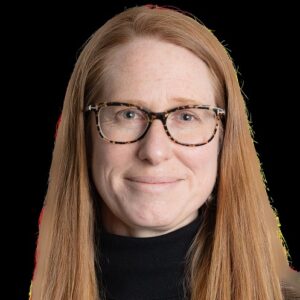
Laurel Morgan, Kerr Wood Leidal Associates Ltd.
Laurel Morgan is a Principal and the Stormwater Sector Leader with Kerr Wood Leidal Associates, based Vancouver, BC. Laurel’s work includes water resources and stormwater ranging from small individual sites, to city-wide and watershed scale studies, providing technical expertise focusing on watershed management policies for Integrated Stormwater Management Plans (ISMPs) and stormwater source control (GSI/LID) guidance and implementation.
Laurel has led numerous ISMPs for clients across the lower mainland of BC and on Vancouver Island. She has written content for many guidance documents, including the Metro Vancouver Integrated Stormwater Management Plan Template Addendum, Metro Vancouver Stormwater Source Control Design Guidelines Updates, Canadian Standards Association’s W200 Standard for Design of Bioretention Systems, the City of Victoria’s Rainwater Management Design Standards, and the City of Calgary’s Bioretention and Resilient Landscape Design Modules.
Laurel’s recent work includes a strong emphasis on education, consultation and inclusive planning processes to meet long-term environmental protection and sustainable development goals.